What I've learned from building a capsule wardrobe

Building a capsule wardrobe has taught me so much more than how to dress well. It has reshaped the way I approach personal style, shopping habits, money, and everyday decision-making. Whether you're starting your first capsule wardrobe or refining an existing one, these are the lessons I've learned along the way.
Start from what you already have
There's a misconception that building a capsule wardrobe means starting from zero. That's not always true. Unless you're going through a major life change, such as relocating to a completely different climate, your current wardrobe is the best place to begin.
When I started, I decluttered, organised my closet, and created an inventory that reflected what I wanted to keep, donate, or recycle. After that, it became easier to see the gaps and slowly add pieces that made sense for my lifestyle.
It's a process, and that's okay
A capsule wardrobe doesn't come together overnight. Between decluttering, understanding your style, and sticking to a budget, it naturally takes time. As I went through the process, I began to recognise my preferred silhouettes, textures, and the balance between comfort and structure that felt most like me.
I added pieces gradually, only after I was clear about what I actually needed. It can feel overwhelming at first, but the ease it brings later makes every step worth it.
A capsule wardrobe is not rigid
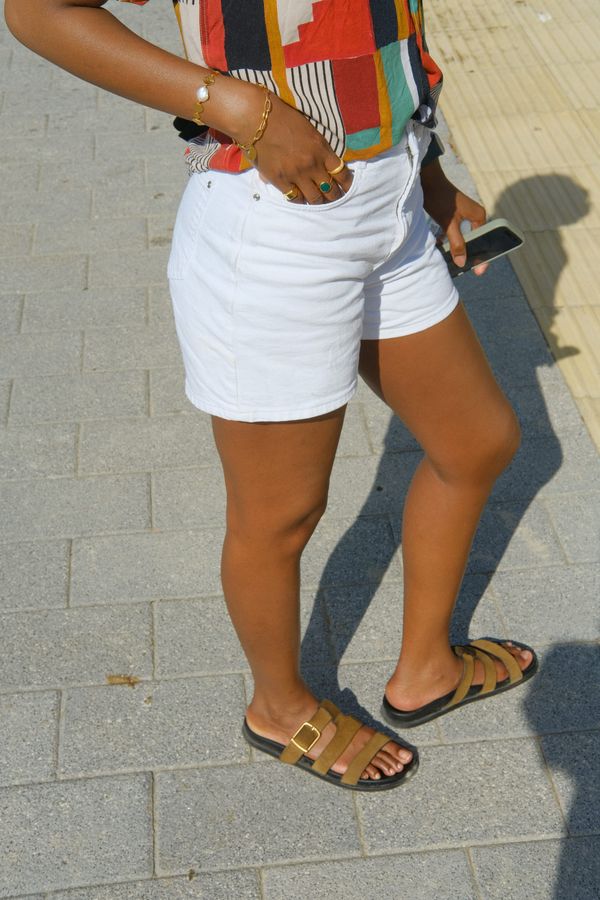
A common theme in building a capsule wardrobe is starting with neutrals like black, white, grey, navy, olive, and brown. This is because neutrals can be easily mixed and matched without overpowering the rest of your outfits. But a capsule wardrobe doesn't have to be minimalist.
If you love prints, bold colours, or patterns, they absolutely have a place. Your wardrobe should reflect who you are today, not a version of yourself you think you should be. Whether you're drawn to simplicity, vibrant hues, or a bit of both, the key is choosing pieces that work well together and feel true to you.
A capsule wardrobe is also not limited to basics. It's about owning pieces with range, like a tailored blazer, a well-cut pair of trousers, or a beautiful knit that can transition from casual to dressy with simple swaps.
And despite what some people assume, a capsule wardrobe doesn't need to be "tiny". It simply needs to make sense for your lifestyle, climate, and personal style. At its core, it's about curating a closet that supports your real life, not an aesthetic or rulebook you feel pressured to follow or imitate.
So, whether you choose a minimalist theme, prefer vibrant hues, or combine both, the key is to choose items that work well with what you already own and build from there.
Quality doesn't have to be expensive
It's easy to equate quality with a high price tag, but that isn't always true. There are plenty of well-made, affordable pieces out there, especially if you're open to thrifting, shopping off-season, or taking advantage of sales and discounts.
And if you do have the budget to splurge, even better. The goal is to choose pieces that last.
Consider other factors
Building a capsule wardrobe has reminded me that style isn't about how much you own but about alignment. A curated closet supports your daily life, simplifies getting dressed, and helps you feel more grounded in your choices.
It's also worth saying that a capsule wardrobe isn't a universal solution. Some people need broader wardrobes for work, cultural events, or simply because they enjoy experimenting with style. A capsule is just one approach, not a rulebook, and it works best when it's tailored to your life rather than forcing your life into a specific system.